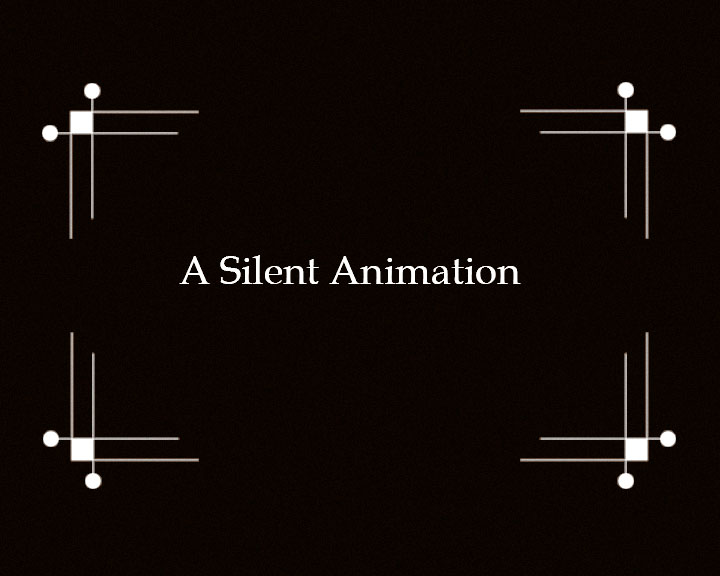
A few ideas of title cards I may use in my animation. They are just simple black and white cards which will have film grain effects added to them to make them feel older and distressed.
Wednesday, 15 February 2012
Disney Inspiration
In cel animation, the frames are traditionally hand drawn on
transparent acetate sheets and placed over static painted backgrounds and then
photographed one by one. Nowadays, the use of cels is almost obsolete, drawings
are now scanned in to computers and placed on computer generated backgrounds
and digitally transferred to film. Cel animation is more commonly known as
traditional animation and even though some things have changed character animator’s
work has remained essentially the same over the last seventy years. Animations
today that have been created using the tradigital techniques still retain the
looks of the original cel animations which i feel is a tribute to early
animators.
Cel animation was used in many of Walt Disney’s films, such
as in 1937 in Snow White and the Seven Dwarves. It was the release of the Lion
King in 1994 that saw a major development in Disneys Cel animation as they
moved more in computer generated animation. There is a major scene in the Lion
King where there is a wildebeest stampede and animators duplicated each animal
instead of hand drawing each one. Toy Story was perhaps the biggest turning
point for Disney as it was the first fully computer generated animation
released. From this point all Disney animations became completely computer
generated until 2009 when Disney released the Princess and the Frog. The
Princess and the Frog was created using some more traditional techniques, the
characters were hand drawn and was a tribute again to early animation.
I have found two interesting pdfs on the texture mapping
used in cel animation and also multiperspective panoramas for cel animation. The
links are below,
I will also be using inspiration from the original Disney animations in my final animation. I will be using some basic principles of Cel animation. I will be using computer software to create my cel animation effect. I will produce my animated character by rotoscoping over a piece of live footage using Flash and this layer will then be brought in to After Effects. I will then create two different backgrounds, one for the close up shots, one for the long shots. These will be on separate layers also and brought in to After Effects. All layers will then be composited together and separate effects will be added to make my final animation appear more like a silent film. I will be creating two backgrounds as the background doesn't change in my animation therefore it will be unnecessary to draw it in every frame!
Production Of Steam Boat Willie
Steam Boat Willie was the first Disney Animation to have sound synced alongside it! It was a black and white animation and the first to include Mickey Mouse. It was created using traditional cel animation and the first scene begins with Mickey Mouse whistling as he steers the boat. Steam Boat Willie was based on the silent film, Steam Boat Bill featuring Buster Keaton. Mickey mouse didn't speak in this short film, it wasn't until has ninth film that he spoke!
The production of Steamboat Willie took place between July and September
1928 with an estimated budget of $4,986.There was initially some doubt among the animators that a sound
cartoon would appear believable enough, so before a soundtrack was produced,
Disney arranged for a screening of the film to a test audience with live sound
to accompany it. This screening took place on July 29 with Steamboat Willie only partly finished. The audience sat
in a room adjoining Walt's office. Roy placed the movie projector outdoors and
the film was projected through a window so that the sound of the projector
would not interfere with the live sound. Ub Iwerks set
up a bed sheet behind the movie screen behind which he placed a microphone
connected to speakers where the audience would sit. The live sound was produced
from behind the bed sheet. Wilfred
Jackson played the
music on a mouth
organ, Ub Iwerks banged on pots and pans for the percussion segment,
Johnny Cannon provided sound effects with various devices including slide
whistles and spittoons for bells. Walt himself provided what little dialogue there was to
the film, mostly grunts, laughs, and squawks. After several practices, they
were ready for the audience which consisted of Disney employees and their
wives.
The response of the audience was
extremely positive, and it gave Walt the confidence to move forward and
complete the film. He said later in recalling this first viewing, "The
effect on our little audience was nothing less than electric. They responded
almost instinctively to this union of sound and motion. I thought they were
kidding me. So they put me in the audience and ran the action again. It was
terrible, but it was wonderful! And it was something new!" Iwerks said,
"I've never been so thrilled in my life. Nothing since has ever equaled
it."
Walt traveled to New York City to
hire a company to produce the sound system. He eventually settled on Pat Powers's Cinephone system,
created by Powers using an updated version of Lee De
Forest's Phonofilm system
without giving De Forest any credit, a decision he would later regret.
The music in the final soundtrack
was performed by the Green Brothers Novelty Band and was conducted by Carl
Edouarde. The brothers Joe and Lew Green from the band also assisted in
timing the music to the film. The first attempt to synchronize the recording
with the film was a disaster. Disney had to sell his Moon
roadster in order
to finance a second recording. This was a success with the addition of a filmed bouncing
ball to keep
the tempo.
Animation Research
Fairly interested in Disney. The process of animation is similar to how I have produced my animation... apart from the meeting with directors...that would have been nice though! I was interested to find out that the sound is recorded before the animation is produced, it seems fairly obvious now.
3. Once the story is laid out, the dialogue is
recorded. This is done before animation, so the animators know what the
characters will say.
At most animation studios, the best animators only
sketched a few animation drawings, leaving gaps in between. Later on, a person
called an "inbetweener" would finish the scenes, by drawing in
between the areas that the animator had left.
Animation historians love to say "It all
started with a mouse". In fact it actually began with a visionary named
Walt Disney.
From the early years in Kansas City with the likes
of Ub Iwerks, Hugh Harmon and Rudy Ising. Walt Disney went on to become the
single most important man in the history of animation. His legacy is a
veritable who's who of animated characters; Snow White, Donald Duck, Pinocchio,
Alice, Bambi, Cinderella, and of course, Mickey Mouse.
The Process of
Animation
1. A storyboard is made, all the animators and
directors come together to discuss the entire film.
2. The storyboards are presented as the story
4. After the dialogue is recorded, the animators
can make rough sketches of just the characters. Usually these drawings are
quite messy, there is still no color, or background. Some animated films have
used over 50,000 individual drawings.
5. Once the entire film has been drawn on paper,
the animation drawings go to the inking department. There, the inkers copy the
animation drawings on to a clear celluloid acetate, sometimes called a Cel.
6. After the outline of the characters has been
made, the unfinished Cel's go to the Painting Department. The painters flip the
Cel over, and paint the colors on the back. They paint on the back so the
characters appear crisp, and have an outline.
7. Before the Animation Cels get photographed a
background must be added. Because a Cel is clear, and it only has the painted
character on it, if a background is made, it will show through. Usually
backgrounds are painted with Tempera or Water Color paint. Although, in some
Disney productions, the background was painted on glass, and combined with
other glass painted backgrounds to create the illusion of extreme movement. (This
technique is use in Snow White and the Seven Dwarfs.)
8. Now all the combined elements (the Cel and the
background) can be photographed. Although, the final product is not filmed with
a normal projector, or camera. A special device, with a lens mounted facing
down on to a table top captures each frame of the animated feature. Usually,
the background is placed into a special mount, then covered with the Cel, then
covered with a large piece of glass, then photographed.
9. After all the drawings have been filmed, the
dialogue is added. Sometimes the film is edited at this step.
10. The animated film is released, and the general
public may view it.
Silent Film Projection Speed
Found this extremely interesting as I when I was creating a flip book I found that manually creating a frame rate was difficult as consistency was hard to achieve. I would have liked to have played around with the frame rate on my final animation to see if I can achieve change the atmosphere or the way the action is conveyed!
Until the standardisation of the projection speed of 24 frames per second (fps) for sound films between 1926 and 1930, silent films were shot at variable speeds anywhere from 12 to 26 fps, depending on the year and studio."Standard silent film speed" is often said to be 16 fps as a result of the Lumiere Brothers Cinematographé, but industry practice varied considerably; there was no actual standard. Cameramen of the era insisted that their cranking technique was exactly 16 fps, but modern examination of the films shows this to be in error, that they often cranked faster. Unless carefully shown at their intended speeds silent films can appear unnaturally fast. However, some scenes were intentionally undercranked during shooting to accelerate the action—particularly for comedies and action films.
Silent Films
My next stage of research was in to Silent Films. 'Silent film' is a film with no synchronized recorded sound, especially with no spoken dialogue. In these films, dialogue was transmitted through muted gestures, pantomime and title cards.The first silent film can be traced back to around 1891 but the most well know ones are those probably starring Charlie Chaplin and Buster Keaton. Silent Films were created up until 1927 when the first non-silent film, The Jazz Singer was released but there are instances of silent films being released since then. For example, in 1931, City Lights was released and in 1936 Charlie Chaplin released his last silent film which included some spoken dialogue. Quite recently, in 2011 a silent film was released, The Artist. The Artist was set in the late 1920s, just as silent films were being replaced by films with synchronised sound and tells the story of the changes. The story is mostly silent with a non synchronised musical score until the very end scene where the main actor speaks. The Artist has won three golden globes and seven BAFTAs this year.
Silent Films were often either dramas, epics, romances or comedies (often slapstick). They were often one reel (10-12 minutes) in length but this soon gave way to four reel feature length films. Silent Films, as ironic as it sounds were often accompanied by live music in cinemas. From the beginning it was obvious music was essential to these films, often providing emotional cues to the audience and contributing to the atmosphere. It was often the music that narrated sound effects such as galloping horses or rolling thunder. Originally silent films would have an in-house interpreter who explained parts of the films to the audience but as they increased in length it was necessary to replace them with title cards. These inter-titles would narrate key points and dialogue and they were often quite graphic in style, featuring illustration or decoration.
I have looked at some stills (seen above) of actors. In these images I noticed that some of the twelve principles of animation have been used to portray emotion such as exaggeration, timing and appeal. I feel exaggeration is the key principle used in the first three images, exaggerated facials expressions, posing and body language. The final image shows how title cards were often used for dialogue purposes. My final animation will be based on Charlie Chaplin and I will use the exaggerated movement, title cards and music often used in his films to create the desired effect. Furthermore, I will also add other effects to my animation to create a ‘Silent Film feel’ such as a grainy, flickering background, a pin hole camera effect around the edges of the frames and also a circular wipe out as my character walks in to the distance. I love the style of silent films, particularly the idea of the distressed old footage and the music creating atmosphere. I will be using sad music to accompany my final animation to create that feeling.
Movement study
Subscribe to:
Posts (Atom)


